
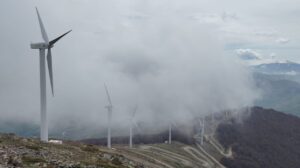
Fieldwork for SKYSCAPE is now well underway, with the first round of surveys completed across ten wind power plants in Greece.
Before field visits began, considerable preparation was needed to ensure that data would be collected consistently across sites. Standardized monitoring means applying the same core procedures during each survey such as defining the area searched around each turbine, recording the time and effort devoted to searches, documenting vegetation and visibility conditions, and collecting detailed information for every detected fatality. This consistency is essential because differences in search effort or local conditions can strongly influence how many carcasses are found.
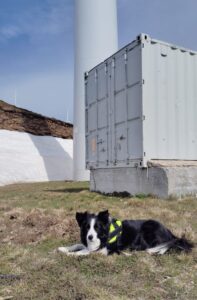
SKYSCAPE combines two complementary search methods. Systematic foot surveys are conducted around wind turbines, while selected surveys are supported by Ioli, the trained detection dog of the Hellenic Ornithological Society/BirdLife Greece. Dogs can substantially improve carcass detection, particularly for small animals and in areas where dense vegetation, rocks, or complex terrain make visual searches difficult.
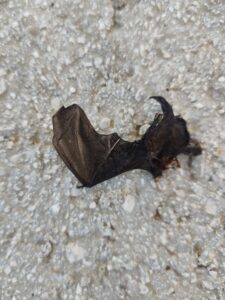
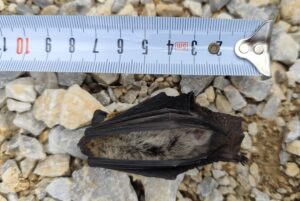
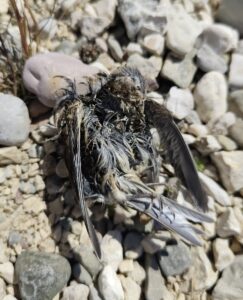
During the first fieldwork phase, we visited ten wind power plants and searched more than 60 wind turbines. These surveys have so far yielded more than ten fatality incidents. The majority of the recorded fatalities involved bat species. Bird fatalities were also documented and included both raptors and passerines.
Further field visits will continue across seasons, allowing SKYSCAPE to examine variation during migration, wintering, and breeding periods and to build a stronger evidence base for bird- and bat-friendly wind-energy planning.
Αφήστε μια απάντηση